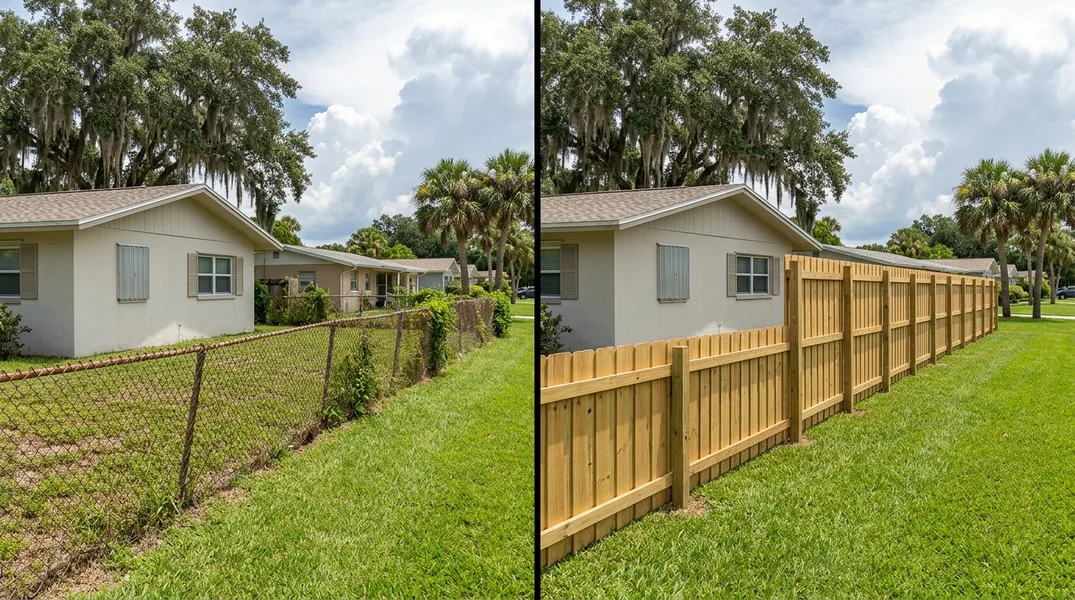
Why Hurricane-Ready Fencing Matters in St. Petersburg
The 2024 hurricane season brought devastating reminders of nature's power to St. Petersburg and surrounding communities. Hurricanes Helene and Milton left thousands of homeowners assessing property damage, including compromised fencing. While many focus on roof reinforcement and window protection, few realize that a properly installed hurricane-rated fence plays a critical role in home defense and neighborhood safety.
Your fence is more than a boundary marker or privacy barrier. During high-wind events, a poorly constructed or inadequately maintained fence becomes a projectile hazard. Fence panels, posts, and hardware can detach and travel at dangerous speeds, threatening neighboring properties and residents. Conversely, a fence engineered for wind load and built to Florida building codes stands firm when storms strike, protecting your investment and your community.
Understanding Wind Load and Fence Wind Resistance
When engineers discuss fence wind resistance, they're referring to the structural capacity of a fence to withstand sustained and gusting winds without failing. Wind load is measured in pounds per square foot (psf) and varies by location, elevation, and exposure category. St. Petersburg, situated in coastal Pinellas County, falls into a high-wind zone where building codes mandate fences to resist significantly greater forces than inland areas.
A typical residential fence in a moderate-wind zone might be engineered for 85 mph winds, translating to roughly 20 to 30 psf of pressure. In St. Petersburg, however, the design standard often reaches 110 to 130 mph or higher, depending on the specific location and elevation. This means posts must be deeper, thicker, and better anchored. Panels must be securely fastened with corrosion-resistant hardware. Material selection becomes critical. Not all fence types offer equal wind load performance, and choosing the right system is essential for hurricane readiness.
Florida Building Code Fence Requirements: What You Need to Know
The Florida Building Code sets minimum standards for fence construction to ensure structural integrity and public safety. These codes address post depth, spacing, fastening methods, and material specifications. For residential fences in high-wind areas like St. Petersburg, the code typically requires posts to be set at least 30 inches deep for standard height fences, with some applications requiring 36 to 48 inches depending on soil conditions and wind exposure.
The Florida building code fence standards also specify that posts be spaced no more than 6 feet apart for most residential applications, though closer spacing may be required in high-wind zones. Fastening hardware must be stainless steel or hot-dipped galvanized to resist corrosion from the salt-laden air common in coastal areas. Concrete footings must meet specific strength requirements, typically 3,000 psi minimum. Many homeowners are unaware that a fence installed without adherence to these codes may not only fail during a hurricane but also create liability issues if it damages neighboring properties. Working with a contractor familiar with these regulations is non-negotiable.
Wood and Privacy Fence Installation Near Me: Choosing the Right Material
Wood & Privacy Fence Installation remains popular in St. Petersburg for its aesthetic appeal and natural warmth. However, wood presents unique challenges in hurricane-prone regions. The material itself is susceptible to salt spray, moisture, and rot, which weaken structural integrity over time. A wood fence that appears solid may have hidden decay in the posts, making it vulnerable to wind damage. If you're committed to wood privacy fencing, the fence must be constructed with pressure-treated lumber rated for coastal use, sealed annually, and inspected regularly for signs of deterioration.
For enhanced hurricane-rated fence performance, consider Vinyl & PVC Fence Installation or Aluminum & Ornamental Iron Fencing. Vinyl offers excellent wind resistance because it's lightweight yet rigid, reducing the overall load on posts while maintaining structural strength. Aluminum and ornamental iron provide superior durability in coastal salt environments and require minimal maintenance. Chain Link Fence Installation offers a more economical option with good wind performance due to its open design, which reduces wind pressure on the fence face. The choice depends on your budget, aesthetic preferences, and long-term maintenance willingness.
Lessons From Helene and Milton: Real-World Hurricane Impacts
Hurricanes Helene and Milton provided hard lessons for St. Petersburg area residents in 2024. Post-storm assessments revealed common failure points in residential fencing. Fences with inadequate post depth toppled or leaned significantly. Panels fastened with standard nails or screws separated from posts. Wooden posts with existing rot or damage snapped cleanly. Fences installed without proper concrete footings or with shallow footings shifted or collapsed entirely. These failures weren't random; they followed predictable patterns related to installation quality and code compliance.
One critical observation from these storms: older fences installed before current code requirements were updated performed worse than newer installations. If your fence was installed more than 10 to 15 years ago, it likely doesn't meet current hurricane-resistance standards. Even if it survived the recent storms, it may be vulnerable to the next major event. A professional inspection by a qualified contractor can identify weaknesses and recommend reinforcement or replacement. Given the increasing frequency of intense hurricanes, investing in proper fence installation or upgrades now is far more cost-effective than dealing with storm damage and liability issues later.
Fence Installation Cost in St. Petersburg: Budgeting for Hurricane-Ready Protection
Homeowners often hesitate to invest in hurricane-rated fence installation because they assume the cost is prohibitive. While hurricane-resistant fencing does cost more than basic installations, the difference is often smaller than expected, and the long-term value is substantial. Pricing varies based on material choice, fence length, site conditions, and specific code requirements. A standard wood privacy fence in St. Petersburg might range from $25 to $40 per linear foot for basic construction, but a properly engineered, code-compliant installation could run $35 to $55 per linear foot. Vinyl fencing typically costs 20 to 30 percent more than wood but requires virtually no maintenance. Aluminum and ornamental iron offer mid-range pricing with excellent longevity.
Beyond the initial installation cost, consider the long-term economics. A fence that fails during a hurricane may require complete replacement, potentially costing thousands of dollars. It may also damage neighboring properties, creating liability and insurance complications. A properly installed hurricane-ready fence protects your property, reduces insurance risk, and can even enhance your home's resale value. To understand the specific investment required for your property, contact St. Petersburg Fence Company at (727) 591-6938 or request a free estimate. Our team will assess your property, explain code requirements, and provide transparent pricing for options that fit your budget and protection needs.
Maintenance and Inspection: Keeping Your Fence Hurricane-Ready Year-Round
Installation is only the beginning of hurricane preparedness. Regular maintenance and inspection are essential to maintain fence wind resistance over time. For wood fences, this means annual sealing or staining, prompt repair of rot or damage, and replacement of compromised posts or panels. For vinyl and aluminum, regular cleaning and inspection for cracks, loose fasteners, or post movement are necessary. After any significant weather event, a thorough inspection should identify damage before it becomes a safety hazard.
St. Petersburg's coastal environment accelerates fence deterioration. Salt spray corrodes fasteners and degrades materials. High humidity promotes mold and mildew growth. Wind and rain exposure gradually loosen connections. A fence that was perfectly code-compliant at installation can become vulnerable within years if not properly maintained. Schedule annual inspections before hurricane season and address any issues immediately. If you notice leaning posts, cracked panels, rusted hardware, or soft spots in wood, these are warning signs requiring professional attention. Contact St. Petersburg Fence Company at (727) 591-6938 to schedule an inspection and ensure your fence remains a reliable barrier against future storms.
Looking for a professional fence contractor in St. Petersburg? St. Petersburg Fence Company responds fast for all your fence needs.
Get a Free Quote